What is a wire rope fall arrester?
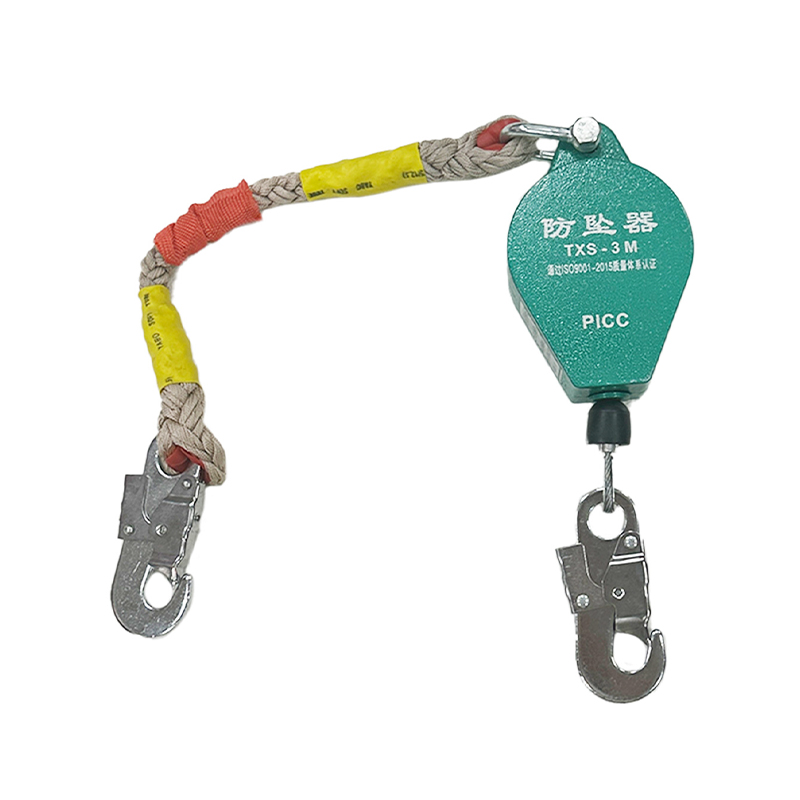
A wire rope fall arrester is a personal protective device used for work at heights, primarily designed to prevent workers from falling due to missteps while working at height. Compared to webbing-type fall arresters, wire rope fall arresters utilize a highly wear-resistant and cut-resistant steel wire rope as their primary load-bearing material, making them particularly suitable for use in harsh environments such as those with sharp edges, welding slag, and high-temperature sparks. These devices are typically equipped with an automatic braking system that quickly stops the fall and absorbs the impact, ensuring user safety.
What are the main components of a wire rope fall arrester?
The effectiveness of a wire rope fall arrester in preventing falls during work at heights relies on its scientifically designed structure and the use of high-quality materials. Its key components must not only meet high-strength load-bearing and durability requirements, but also ensure flexibility, safety, and environmental adaptability. The following is an analysis of the core structure and functions of a wire rope fall arrester:
High-strength wire rope: The wire rope is the core load-bearing component of the entire fall arrest system. It is typically made of galvanized steel or stainless steel to ensure excellent tensile strength (≥12kN) and fatigue resistance. Its diameter generally ranges from 4mm to 6mm, ensuring sufficient safety while maintaining good flexibility to facilitate smooth operation of the automatic retraction and release system. The outer layer is often covered with a plastic coating or braided sheath, which not only improves grip comfort but also effectively protects the wire rope from moisture, oil, and acidic and alkaline chemicals, extending its service life. In working conditions with sharp edges or high-temperature welding slag, the wire rope's wear and cut resistance are particularly important.
Automatic retraction and braking mechanism: This part is the "central system" of the wire rope fall arrester. It is equipped with a self-locking drum and brake device, which automatically adjusts the wire rope's extension and retraction length according to the user's movements, reducing the risk of tripping or snagging caused by excess rope. In the event of a sudden fall, a centrifugal brake or ratchet mechanism responds instantly, limiting the fall distance to a safe range (typically no more than 2 meters). During the braking process, it effectively absorbs some of the impact energy, reducing the impact load on the spine and bones. High-end models also feature an anti-rebound design to prevent the wire rope from rebounding after locking.
Energy-absorbing device: The energy-absorbing device is a key component in reducing the impact force of a fall. It is generally located at the end of the wire rope or near the carabiner. Its design principle uses tearable webbing, segmented energy-absorbing materials, or elastic buffer structures to extend the braking time during sudden force, thereby limiting the peak impact force transmitted to the body to less than 6kN. This meets the requirements of international standards such as EN 360 and ANSI Z359. This not only prevents serious injuries but also reduces wear on the internal mechanisms of the fall arrester during braking. Some models are also waterproof and oil-resistant, adapting to various working environments.
Safety Hook/Connector: The safety hook is the key connecting component between the fall arrester and the user's full-body harness, directly impacting overall safety. It's typically made of alloy steel or high-strength aluminum alloy, precision-forged and heat-treated, with a static tensile load capacity exceeding 15kN. Safety hooks are often equipped with an automatic locking function to prevent them from becoming dislodged due to misuse or vibration. Some high-end products incorporate a double-lock design, requiring two steps to unlock, effectively preventing accidental release. Furthermore, the surface is galvanized or anodized for enhanced rust and corrosion resistance, making it suitable for use in humid, salt spray, and chemical environments.
Casing and Protective Cover: The casing protects the delicate internal mechanisms from external impact and environmental corrosion. Common materials include high-strength ABS engineering plastic and die-cast aluminum alloy, which offer excellent impact resistance, water resistance, and dust resistance while maintaining a lightweight design. The casing is typically sealed to effectively block the intrusion of dust, oil, and moisture, ensuring long-term, stable operation of the fall arrester in outdoor or industrial environments. Furthermore, the housing is generally ergonomically designed, making it easy for workers to wear and carry.
What precautions should be taken when using and maintaining a wire rope fall arrester?
As crucial personal protective equipment for aerial work, the performance and reliability of a wire rope fall arrester are directly related to the safety of workers. Therefore, during use and maintenance, strict safety management regulations and daily maintenance requirements must be adhered to to ensure the equipment remains in optimal working condition. Whether in construction, power plant operations and maintenance, wind power plants, or industrial maintenance, proper use and meticulous care can significantly extend the life of the equipment and reduce the likelihood of accidents. The following are several key areas to pay attention to during the use and maintenance of a wire rope fall arrester:
Pre-use Inspection: Before each use of the fall arrester, a comprehensive visual and functional inspection must be performed. This includes inspecting the wire rope for broken wires, rust, wear, bends, or loose strands; checking the drum and brake mechanism for smooth and sensitive operation, and for any jamming or unusual noises; and ensuring that the safety hook opens and locks smoothly and automatically, without any loosening. If necessary, gently stretch the wire rope manually to feel the sensitivity of the retraction and brake to ensure it can quickly lock in an emergency.
Avoid impact and drops: Although the fall arrester is sturdy, its internal brake and retraction mechanisms are delicate and sensitive. Severe impact or drops may cause component deformation, malfunction, or even render it unable to provide protection at critical moments. Therefore, during transportation, carrying, and use, the fall arrester should be protected from hard objects and drops from heights. After working at height, it is recommended to store it in a dedicated storage bag or protective case to reduce the risk of accidental collisions.
Keep it clean and prevent rust: During use, the wire rope surface may become contaminated with mud, oil, dust, or chemicals. These impurities not only affect the smoothness of retraction and extension but also accelerate corrosion of the wire rope and internal components. Therefore, after each operation, wipe the wire rope and casing with a clean soft cloth or neutral detergent to ensure that the surface is dry and free of residual contaminants. For fall arresters that are stored for long periods or used in humid environments, apply a liberal amount of anti-rust oil to the wire rope surface to prevent rust and seizure.
Regular Inspection and Replacement: In addition to routine pre-use inspections, fall arresters also require periodic inspections in accordance with relevant safety standards. It is recommended that a comprehensive inspection be conducted every 12 months by a qualified third-party testing agency or the manufacturer's after-sales department, including wire rope tension testing, braking performance testing, and housing structure inspection. If a fall arrester has experienced an actual fall, even if it appears to be in good condition, it must be removed from use immediately and sent for inspection or replaced. This is because hidden damage may have occurred to the internal structure, making it unsafe for subsequent use.